How do you stop a freestanding mast falling out on a small sailboat? During a freestanding mast capsize, it is possible for the unstayed spar to slip out, but friction and rig tension usually keep it in place. What are strategies to prevent?
Why Freestanding Masts Usually Stay in Place in a capsize
It is fairly rare that a freestanding mast comes unshipped in a capsize
Normally the halyard tension holds the mast in place. This is usually a considerable force, particularly with lug rigs.
If the sail has to be dropped then that tension is gone. One way to keep the tension is to detach the halyard from the sail and tie it off to some point on the boat – like the downhaul loop and then tighten up the other end of the halyard in the normal way.
The freestanding mast doesn’t usually come out even when the sail is dropped during the capsize – There is quite a bit of friction normally. That normal heave/jerk/pull we have to do to get the mast out after a day’s sailing indicates the load that keeps it in place.

Securing the Freestanding Mast in a Capsize using a cheap cleat
George Isted was the chap that raced the GIS against more “normal” boats on a weekly basis in Portsmouth UK last year resolving into a Portsmouth yardstick of 1117.

George was planning on some distance events including RAIDs. Having the mast pop out in a capsize or if the sail needs to be dropped while capsized is quite an unpleasant idea.
So George has a neat fix.
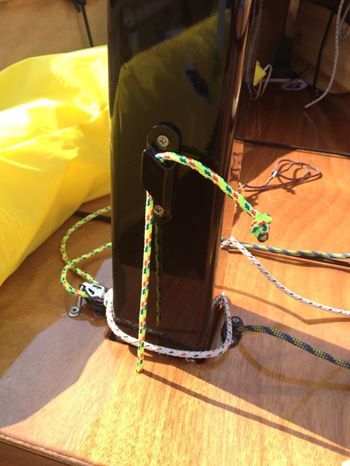
It can be on any side of the mast not cluttered by downhauls and halyards. a simple lanyard through the mast partner with a knot on both ends, one end under the deck.
The cleat is a Clamcleat CL212. Available in black or white and left or right handed (doesn’t make much difference for this function.
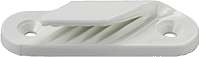
Available through Duckworks or Sailrite and many online and non-virtual chandleries and sailmakers.