
Upwind Sailing Lesson: Sailing Upwind Through Gusts
What is the best way to exit the gust? Artilcle expains it is best just to go straight and let the sail luff as luffing usually disappears
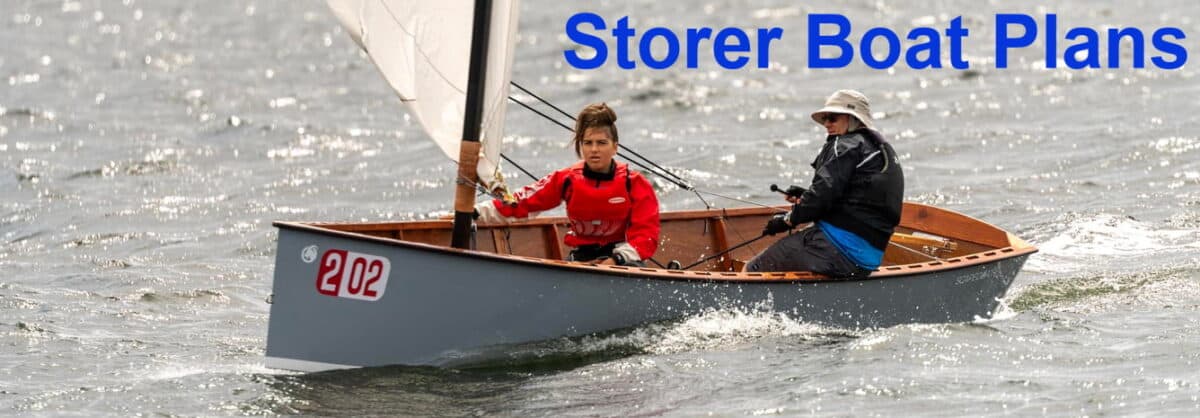
What is the best way to exit the gust? Artilcle expains it is best just to go straight and let the sail luff as luffing usually disappears

Big increase in upwind sailing performance and an easier way to teach beginners to sail upwind in medium to strong conditions. They end up being able to handle stronger winds with more confidence as well as sail faster.
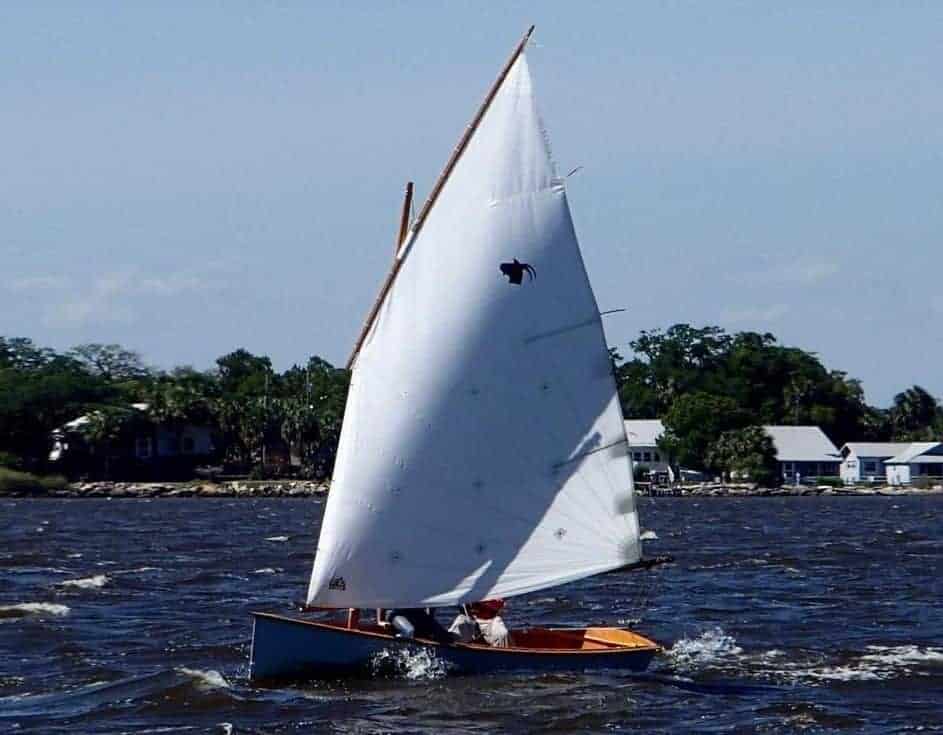
Why explained. My most popular design is the Goat Island Skiff a light plywood planing sailing dinghy that is devastatingly fast in most conditions – not so surprising when you realise a lot of the development was because of racing dinghy advances but intended to avoid the skyrocketing costs of sailing participation.

Sandpaper – don’t use COARSER THAN 100grit ON TIMBER TO BE GLUED (or Painted/Varnished). We provide reasons.
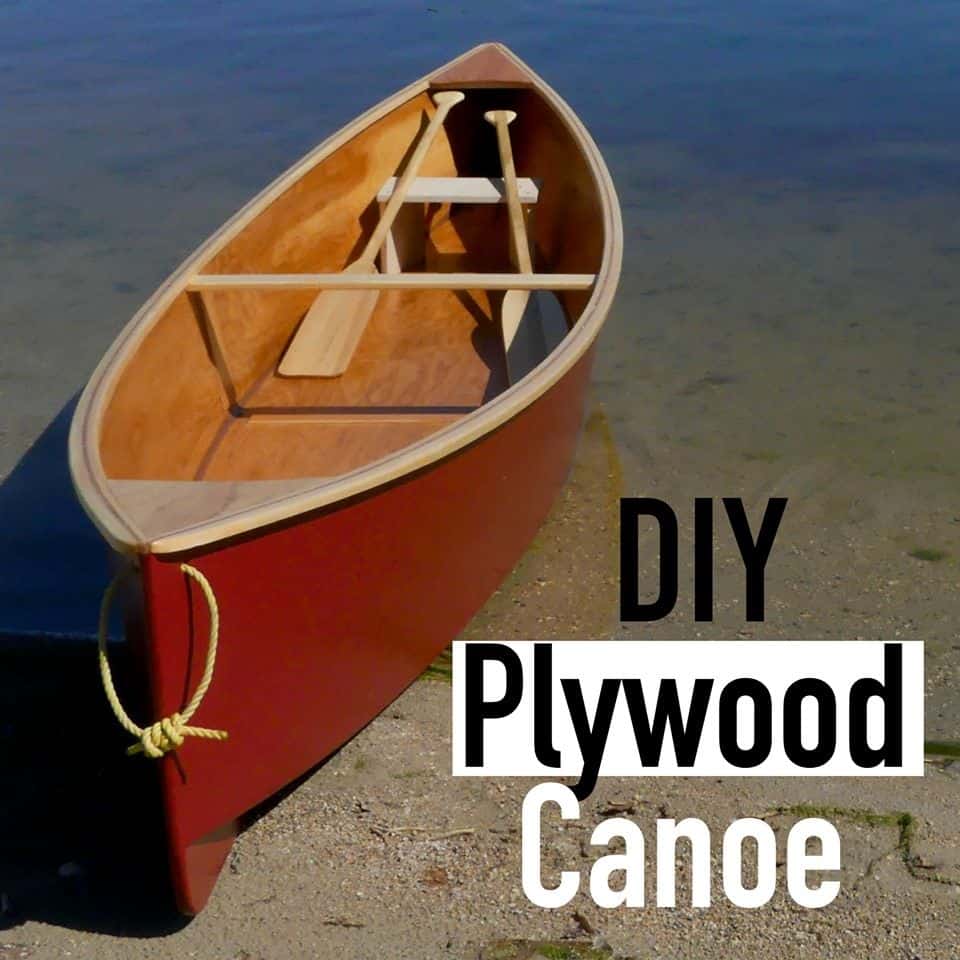
One of the best instructional videos on the net. How will Chris Heubert of the creative steampunk website LostWax go building a plywood canoe – he normally builds amazing things out of common materials, provides patterns and “how to” videos.

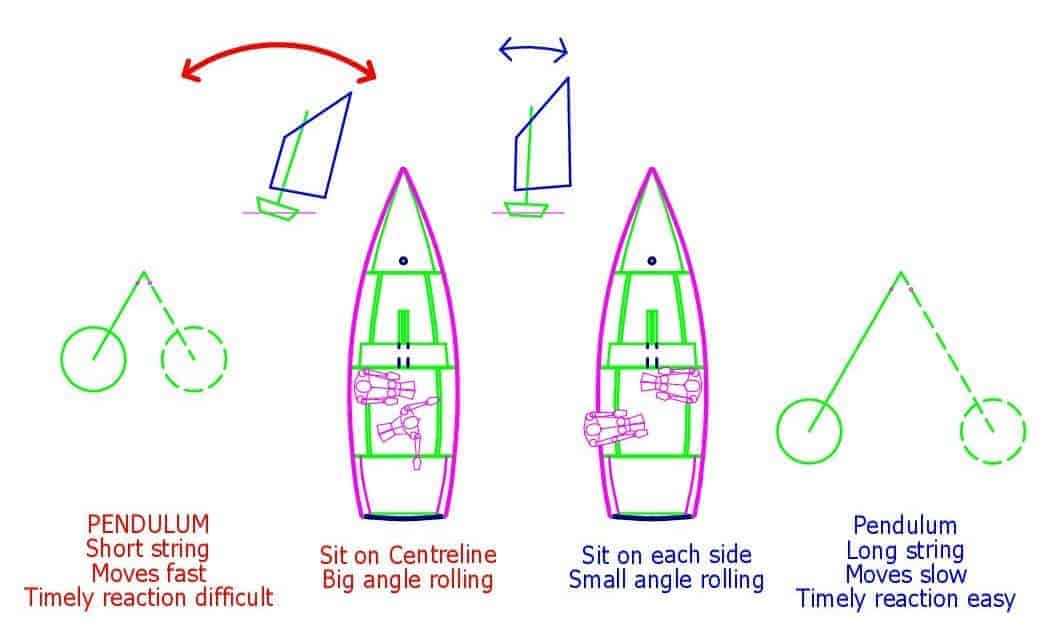
“Sailing for balance” is an essential method to increase crew control of sailing boats in stronger winds when reaching across the wind as it maximises speed and reduces the forces trying to heel or tip the boat.

Judging their own work so harshly; one reason is that we all get used to looking at the boat construction from a few inches away so we over value both mistakes and an idea of perfectionism.
5th Day cruising and boat handling tips. from Genova to Varazze on a homemade dinghy, Goat Island Skiff.

What is the best way to tow a tender behind a larger yacht or motorboat? And how does the Goat Island Skiff go as a towed tender?

Centrecase Padding reduces centreboard maintenance by protecting the sliding surfaces of rudderbox or Leeboard case on sailing dinghies. We look at low cost ways for padding the centrecase to reduce foil wear and tear.

A video comparing Lug Rig Performance with conventional rigs in a real race. A Goat Island Skiff takes part in a regular club race against Fireballs and Lasers. Where will it end up? Does it actually have a “bad tack” where it can’t compete? The answer might challenge your assumptions about sailing rig performance

Discussion of handling light sailboats such as sailing canoes and how some hull design features promote good sailing manners at higher speeds. Taking pressure away from the sailor by making the boats light and predictable despite rough conditions.

I found myself at Foiling Week 2018 in Sydney. There are two groups involved in foiling with a large gulf between them. The out and out high expense group who see themselves as the future of sailing. The other group is much more interesting to me as it looks at the stability and handling advantages of foiling which are only just starting to be explored.

Sailing and handling the steering and sail together can be confusing. But racing dinghy sailors have some techniques that will make sailing smoother and safer for more leisure oriented sailing. Your hands will be happier and probably your head too!

How do I get nice looking intervals for the inwale spacers on my boat? Photos. How many expensive clamps do I need for the job?

The problem with design is that it is relatively cheap. Sometimes fixed price. But it is not realised what successive design iterations are doing to the boat.
In the end Chris was unable to complete the boat. Partially because the hull turned out to be in much worse condition than expected. But also despite some nice positives coming in terms of usable space below, other things just seemed to get more and more complex.

By simplifying the design, you simplify the build. By eliminating or simplifying processes the build is further simplified. Examples that will make your boat simpler, lighter and better at what it is meant to do.
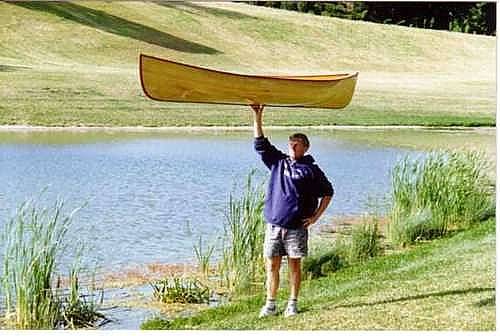
A 12lb canoe. The idea was to build a Rushton Wee Lassie in balsa strip with very light glass. The boat ended up being fairly durable despite not being interested in durability. As far as I was concerned I was going to be happy if it lasted a couple of years before being chucked into a dumpster somewhere. But five years later it was still beautiful despite good use.
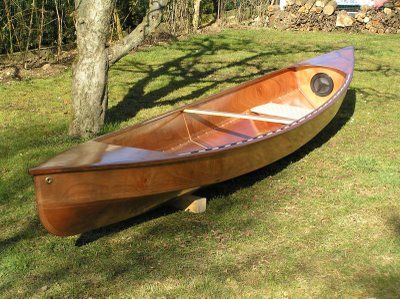
A whole bunch of strategies for lightweighting a plywood stitch and glue canoe. In this case a Storer Boat Plans Eureka Canoe. Standard build is around 44lbs. Ten lbs were saved to bring the weight down to 34 or 15k

Sailing too fast upwind in a non trapeze dinghy means you lose a lot of pointing angle. So what is the correct compromise between high and slow and low and fast. Explanation involves the increase of drag around hullspeed.